Between 2 and 4 November 2026, on behalf of Sécheron, we carried out on-site technical inspections of UR10 circuit breakers installed on trams operated by STPT in Timișoara. During the inspections, we examined and documented the condition of 30 units. Particular attention was paid to signs of moisture ingress, mechanical damage, the condition of fastening elements, and the proper tightening of the ventilation mushroom knobs.
The inspections were carried out at night, between 11:00 p.m. and 2:00 a.m., to avoid disrupting the trams’ daily operations. The aim was to identify potential faults and technical issues that could compromise operational reliability.
Inspection of UR10 Circuit Breaker Condition
One of the main objectives of the inspection was to determine whether moisture had entered the circuit breakers. The presence of water can cause corrosion and, over time, lead to operational problems. We also examined the physical condition of the housings and structural components, the integrity of fastening elements, and the tightening torque of the ventilation mushroom knobs, in accordance with the manufacturer’s maintenance instructions.
No signs of moisture ingress were found in the majority of the 30 circuit breakers. However, the inspections also revealed several issues requiring maintenance or further investigation.
Cracks Around the Mounting Points and the Risk of Water Ingress
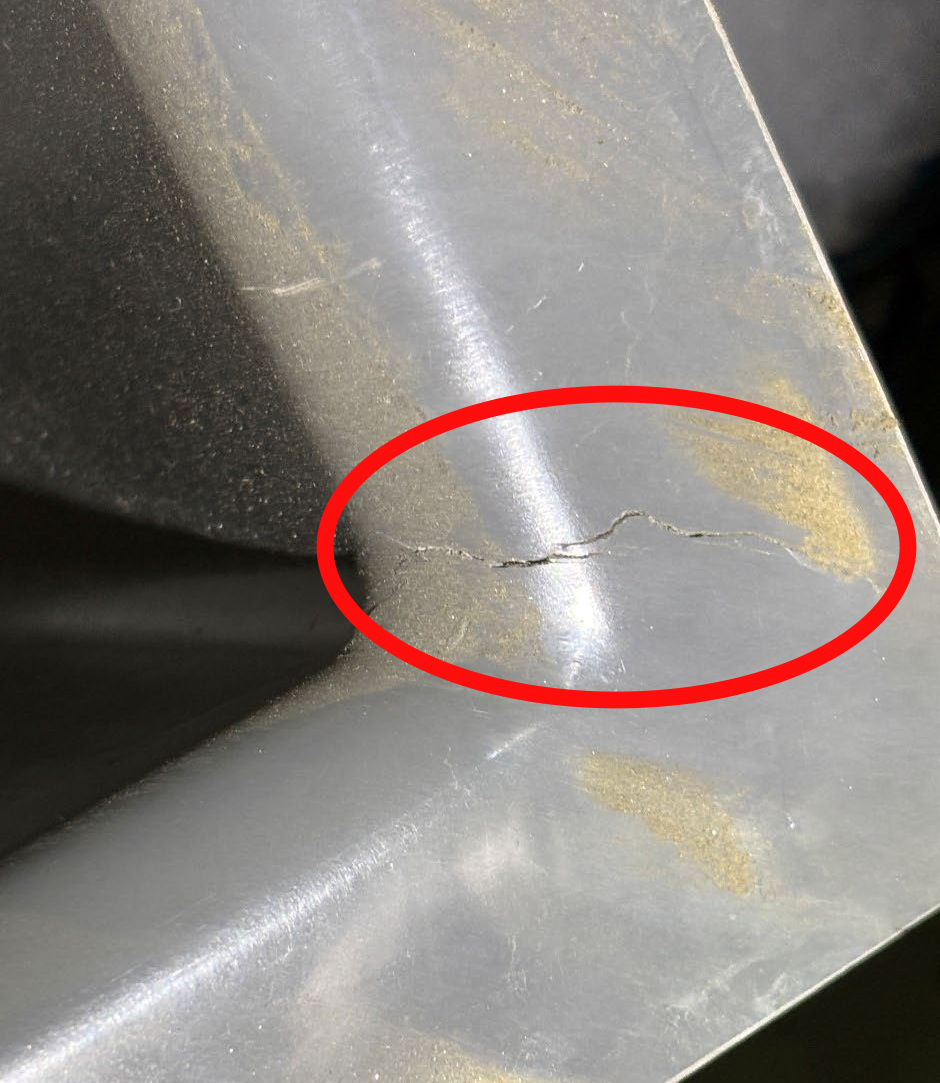
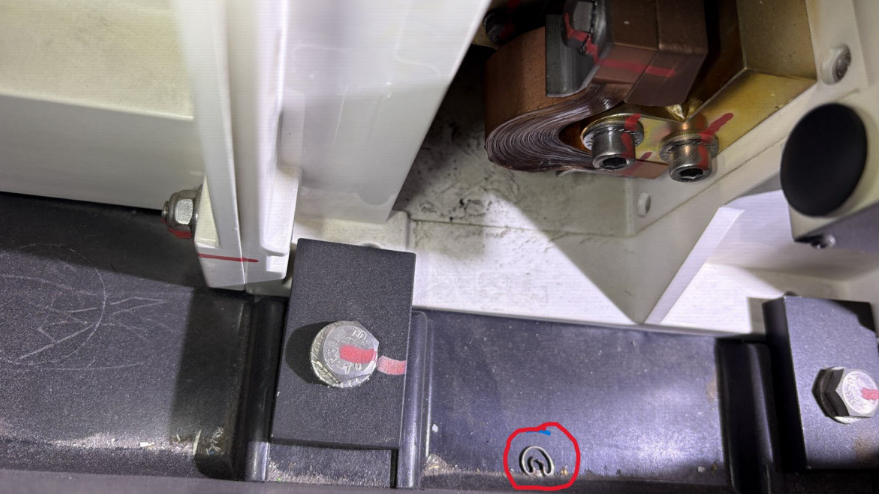
Cracks were found around the mounting points of several circuit breakers. Based on our findings, the problem may be related to the mounting points not being designed in accordance with the recommendations in Sécheron’s installation instructions. A review of the mounting point design may therefore be warranted.
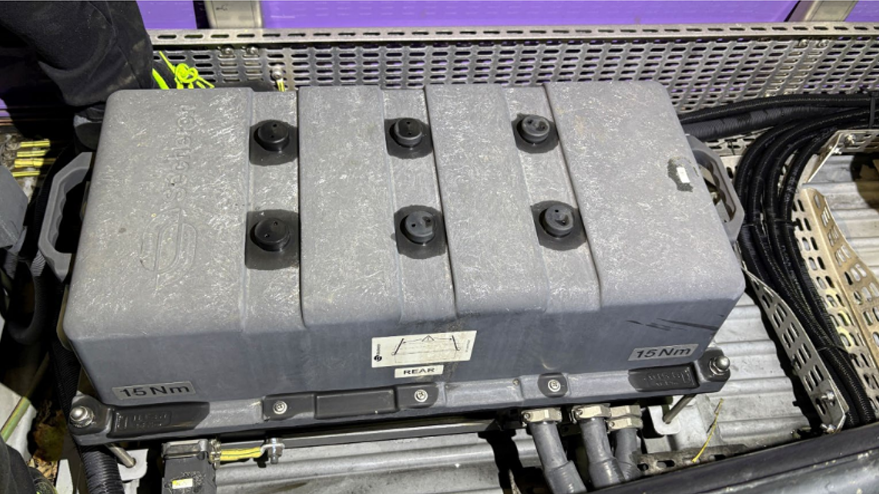
The design of the support trays beneath the circuit breakers also deserves attention from a water ingress prevention perspective. If the tray drainage is obstructed, accumulated water during heavy rainfall could enter the circuit breaker from below. Once the rain stops, the water drains through the designated outlet holes. However, this does not rule out the possibility of damage caused by intermittent water ingress.
Based on these findings, we recommend reviewing the design of the mounting points and checking the drainage of the support trays.
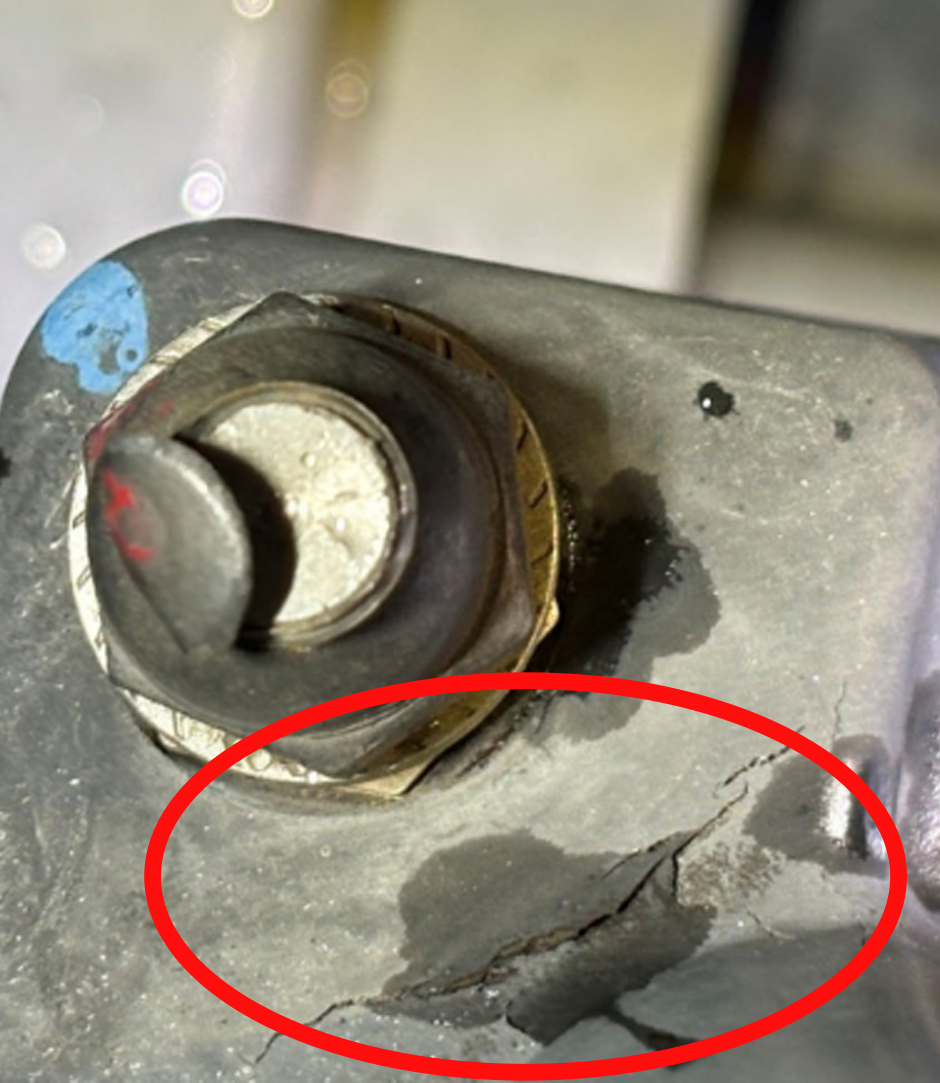
Ventilation Mushroom Knobs: Tightening Torque Below the Original Specified Value
One of the most frequently observed issues was insufficient tightening of the ventilation mushroom knobs. In approximately two-thirds of the 30 circuit breakers inspected, the tightening torque of the knobs had decreased to 3–4 Nm from the original value of 6 Nm applied during manufacture.
The ventilation mushroom knobs that were no longer tightened to the specified torque were replaced during the on-site maintenance work. All replacement components were tightened to the specified torque of 6 Nm. Compliance with the manufacturer’s installation requirements is important to ensure proper fastening and reliable long-term operation.
Two Specific Faults Requiring Further Inspection and Repair
Of the 30 circuit breakers inspected, two were found to have faults requiring targeted intervention.
Signs of Water Ingress and Corrosion
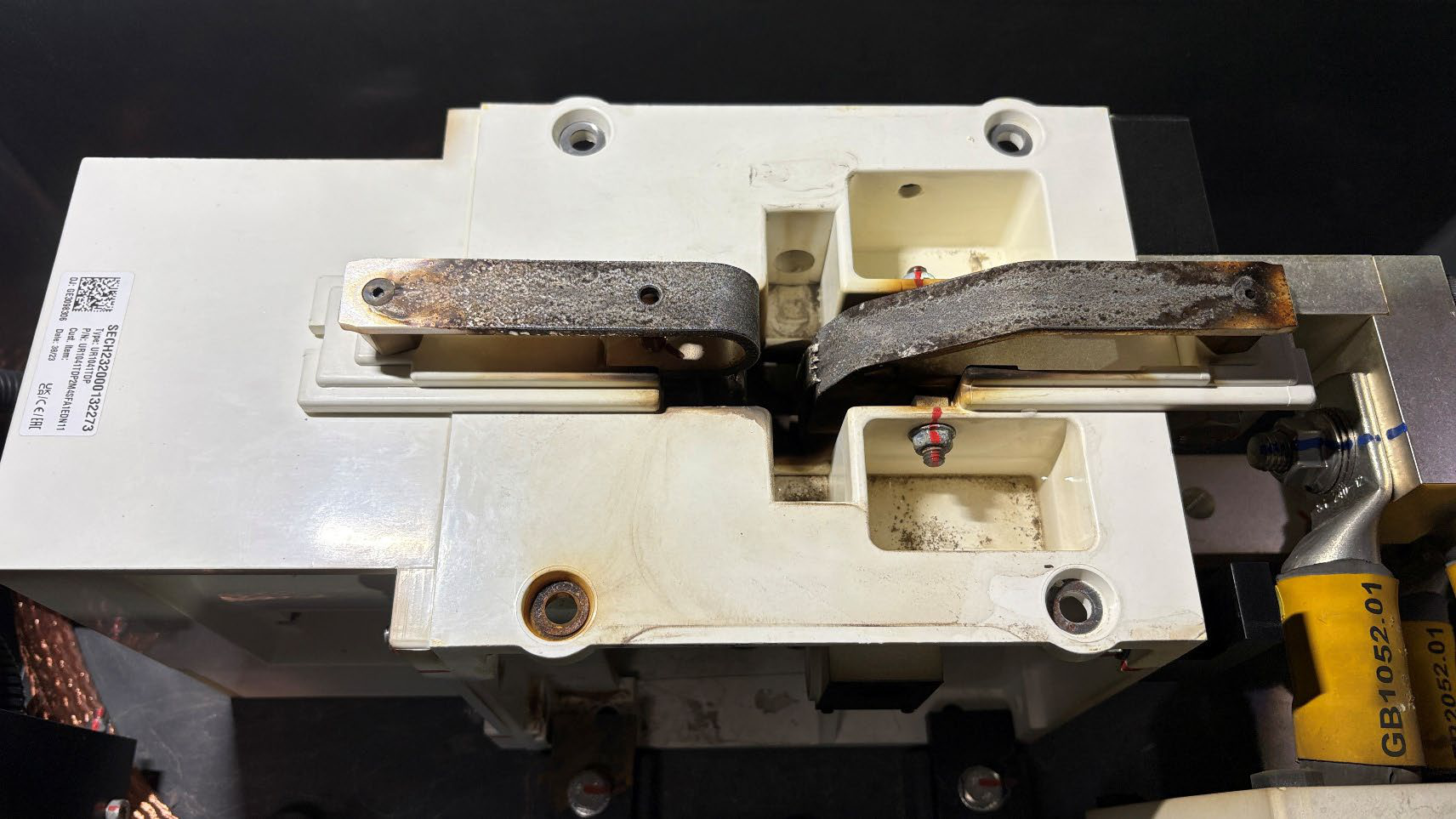
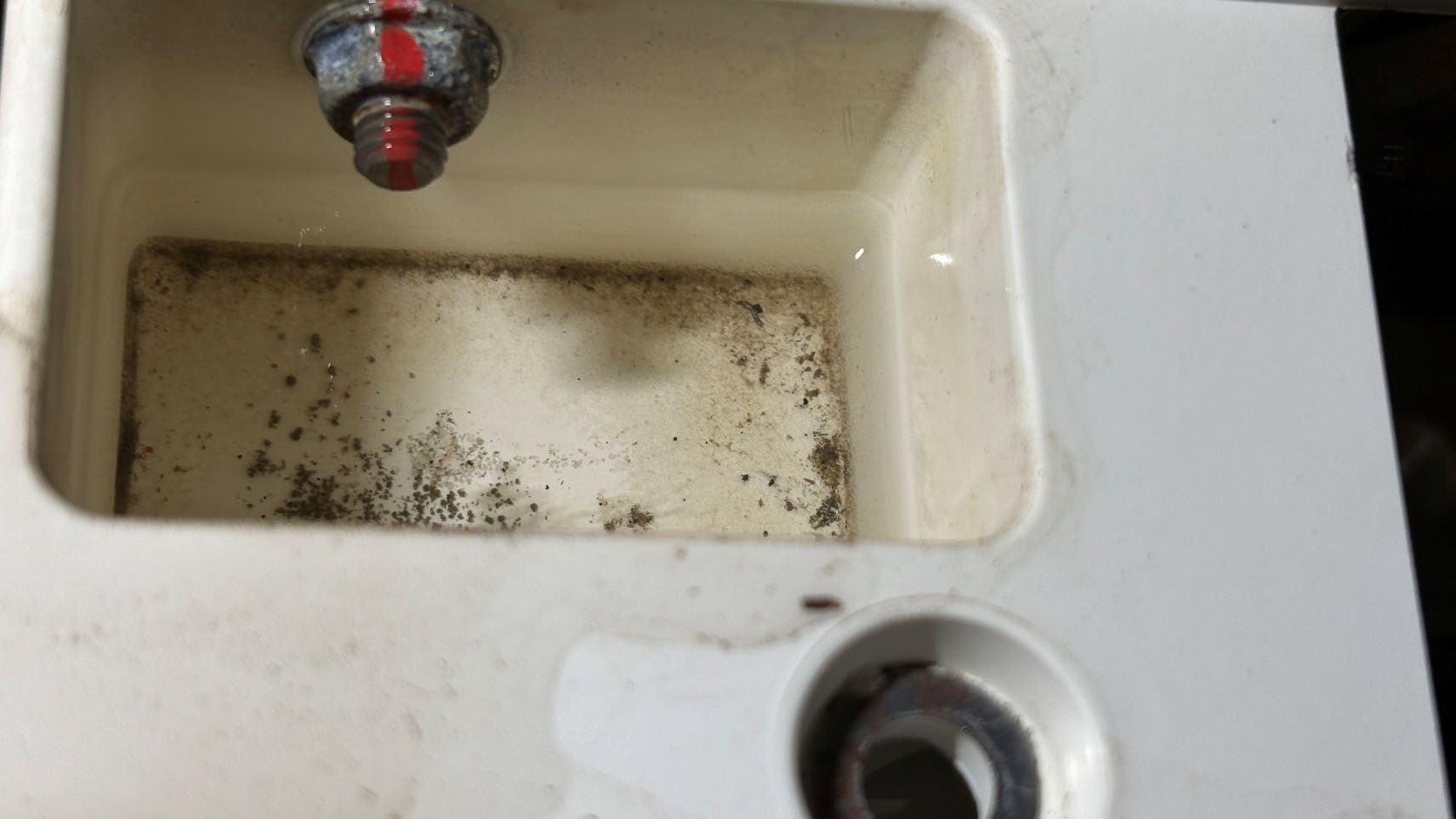
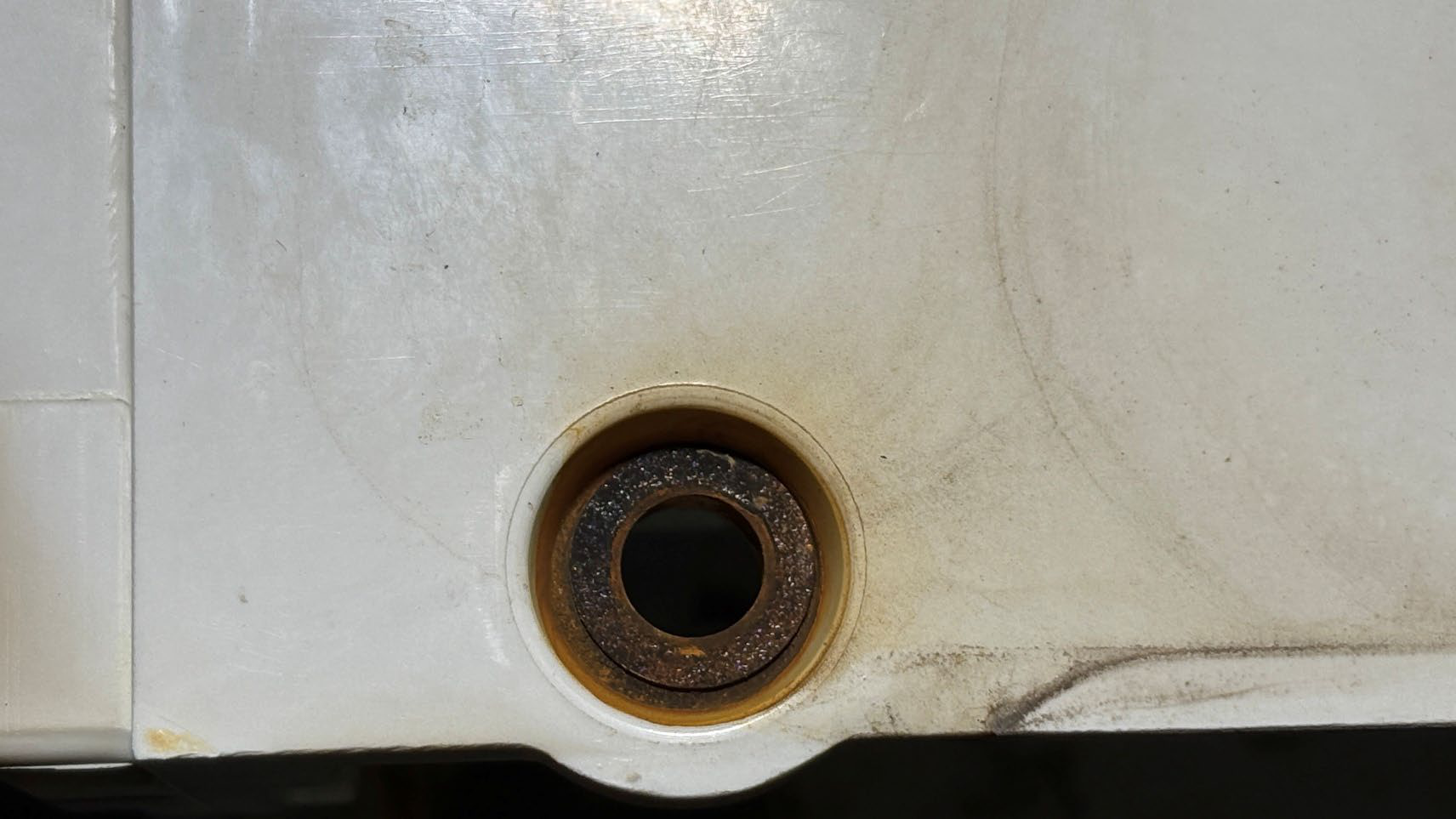
One circuit breaker showed clear signs of significant water ingress and corrosion. The unit was wet both externally and internally, and moisture was also detected in the arc chute. Of the 30 units inspected, this was the only one showing water ingress and corrosion to this extent. We recommend dismantling the circuit breaker and carrying out a thorough inspection to identify any further signs of corrosion and assess the condition of its internal components.
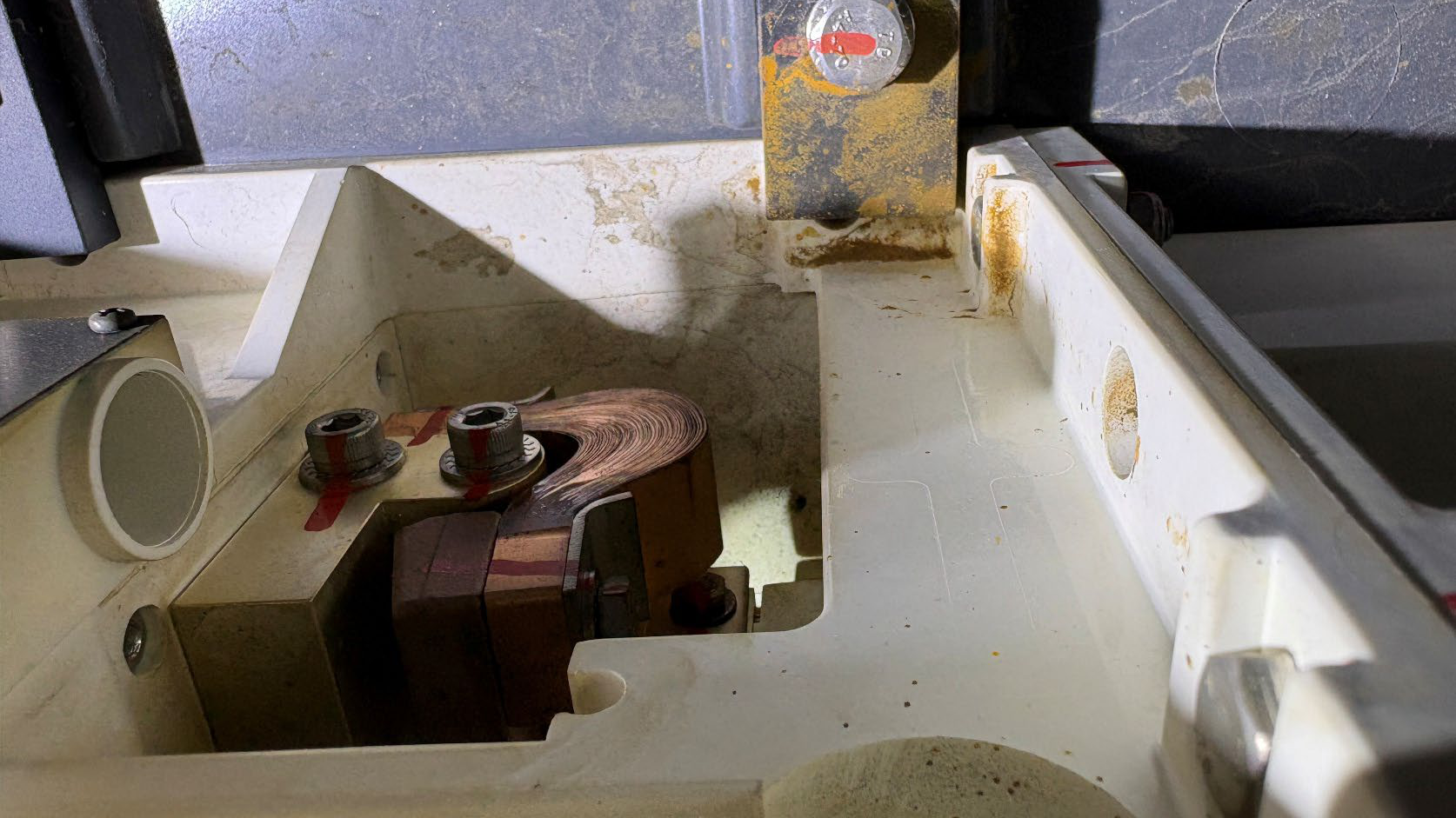
Displacement of the Omega Retaining Clip
The second circuit breaker was found to be missing its Omega retaining clip. The exterior of the unit was slightly wet, but the interior remained dry, with no evidence of water ingress. Cracks were also visible at the corners of the housing.
Without the Omega retaining clip, the shaft in question may slip out of position under eccentric loading, potentially causing the circuit breaker to jam. Repair of the damaged areas and restoration of the retaining mechanism are therefore necessary.
Summary
During the inspections in Timișoara, we examined and documented 30 UR10 circuit breakers installed on trams operated by STPT. Although no signs of moisture ingress were found in the majority of the units, the inspections identified several important maintenance requirements.
The most common issue was a reduction in the tightening torque of the ventilation mushroom knobs. In approximately two-thirds of the circuit breakers, the original torque of 6 Nm applied during manufacture had decreased to 3–4 Nm. The affected knobs were replaced, and the new components were tightened to the specified torque of 6 Nm. We also found cracks around several mounting points and highlighted potential risks associated with the drainage of the support trays. The mounting issues may also be attributable to an installation arrangement that deviates from the manufacturer’s recommendations.
These findings demonstrate that regular technical inspections are important not only for identifying existing faults but also for reducing the risk of future failures. Maintenance in accordance with the manufacturer’s requirements and timely repairs help ensure the reliable operation of UR10 circuit breakers and preserve their service life.
Frequently Asked Questions
Why is regular inspection of UR10 circuit breakers important?
Regular inspections help identify mechanical damage, fastening issues, corrosion and signs of moisture ingress at an early stage. Detecting these issues in time can reduce the risk of unexpected failures.
What issues were identified during the inspections in Timișoara?
The most common issue was a reduction in the tightening torque of the ventilation mushroom knobs. We also found cracks around the mounting points, signs of water ingress and corrosion in one circuit breaker, and a missing Omega retaining clip in another.
What is the specified tightening torque for UR10 ventilation mushroom knobs?
According to the manufacturer’s maintenance instructions, the ventilation mushroom knobs must be tightened to 6 Nm. During the inspections in Timișoara, we found that in approximately two-thirds of the circuit breakers, the original tightening torque of 6 Nm applied during manufacture had decreased to 3–4 Nm.
Can rainwater enter the inside of UR10 circuit breakers?
Yes. A blocked support tray drainage system, combined with heavy rainfall, can create conditions that allow water to enter the circuit breaker from below. Keeping the drainage system clear and in good condition is therefore an important part of maintenance.
What should be done if signs of corrosion are found inside a circuit breaker?
In such cases, the circuit breaker should be dismantled and subjected to a thorough internal inspection. This makes it possible to assess the extent of the corrosion and determine whether any components essential to its operation have been affected.
Reliable Operation Through Regular Technical Inspections
Identifying minor technical issues at an early stage can help prevent more serious failures.
The findings from the inspections in Timișoara highlight the important role that regular inspections and maintenance in accordance with the manufacturer’s requirements play in ensuring the operational reliability of electrical equipment used in railway and urban rail vehicles.
If you require technical support, spare parts or maintenance solutions for UR10 circuit breakers or other railway electrical equipment, please contact our specialists.